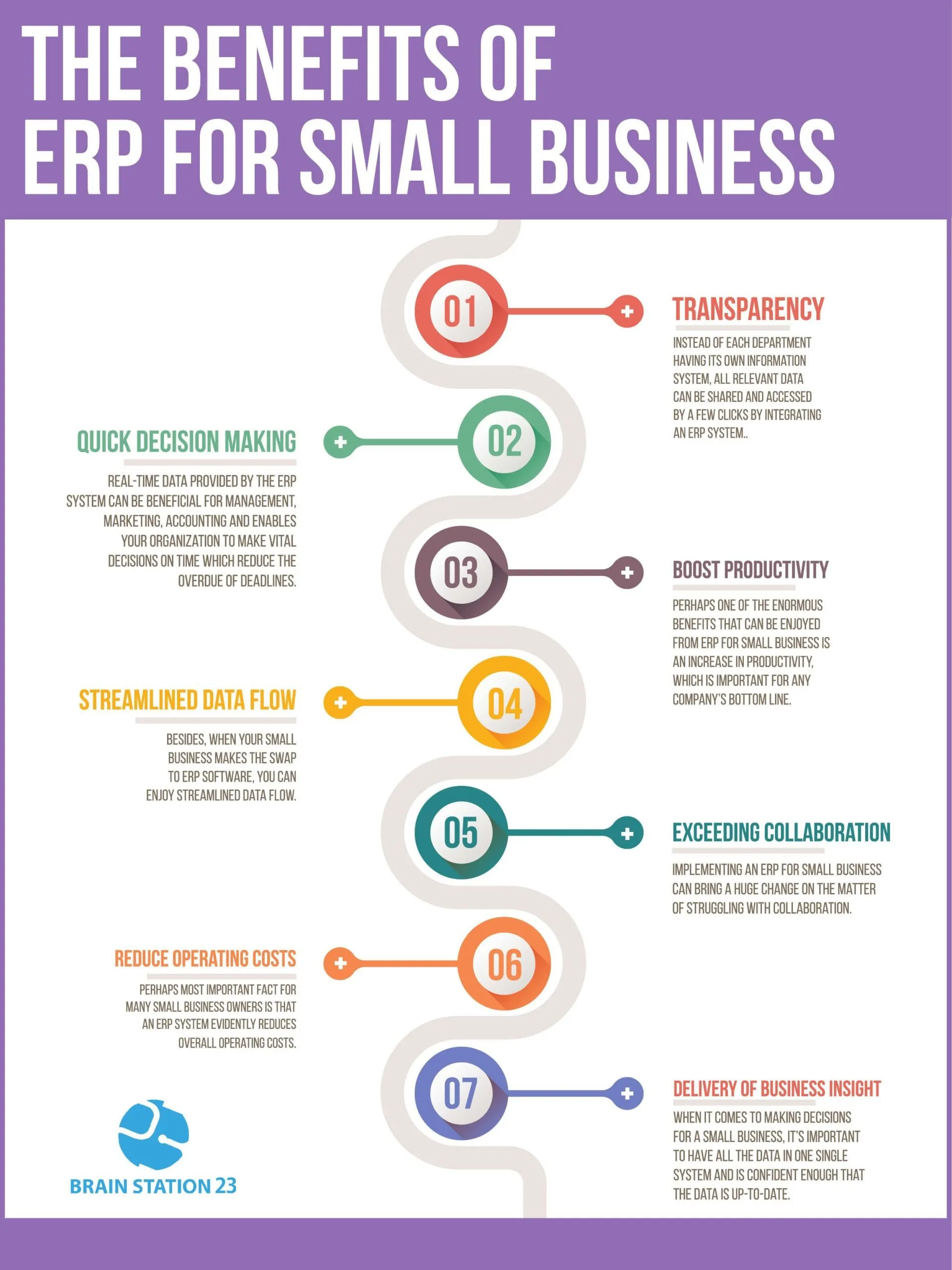
Welcome, small business owners! Have you ever wondered how implementing an Enterprise Resource Planning (ERP) system can benefit your company? ERP systems are not just for large corporations – small businesses can also reap the rewards of increased efficiency, streamlined processes, and improved decision-making. By centralizing data and automating tasks, small businesses can save time and money while gaining a competitive edge in the market. Let’s explore the numerous benefits of ERP implementation for small businesses and how it can help you achieve your business goals.
Acquisition of ERP Systems
When a company decides to implement an ERP system, the first step is to research and identify the various options available in the market. This process involves evaluating different vendors and their offerings to determine which ERP solution best fits the needs of the organization. It is important for the company to consider factors such as the size of the business, industry-specific requirements, budget constraints, and scalability when selecting an ERP system.
Once the company has identified potential ERP vendors, the next step is to request proposals from these vendors. The proposal should outline the cost of the ERP system, implementation timelines, training requirements, and any additional services offered by the vendor. Companies should review these proposals carefully and conduct meetings with the vendors to ask any questions and clarify any doubts they may have.
After reviewing the proposals and meeting with the vendors, the company can then proceed to negotiate the terms of the contract. This negotiation process is crucial as it ensures that both parties are clear on the expectations, deliverables, and costs associated with the ERP implementation. Companies should pay close attention to the licensing fees, customization costs, ongoing support fees, and any other hidden costs that may arise during the implementation process.
Once the contract negotiations are complete, the company can then move forward with the implementation of the ERP system. This stage involves the installation of the software, data migration, user training, and testing of the system to ensure that it meets the company’s requirements. It is essential for companies to allocate sufficient time and resources for the implementation process to minimize any disruptions to their operations.
Throughout the implementation process, companies should also work closely with the ERP vendor to address any issues or concerns that may arise. Regular communication and feedback sessions can help to ensure that the implementation is on track and that any challenges are addressed promptly. Companies should also provide adequate training to their employees to ensure that they are comfortable using the new ERP system and can maximize its benefits.
After the ERP system has been successfully implemented, companies should continue to monitor its performance and make any necessary adjustments to ensure that it continues to meet their evolving business needs. Regular audits of the system can help to identify any areas for improvement or optimization, while ongoing training can help employees to stay updated on the latest features and functionalities of the ERP system.
In conclusion, the acquisition of an ERP system is a complex process that requires careful research, planning, and collaboration with the chosen vendor. By following these steps and investing time and resources into the implementation process, companies can successfully integrate an ERP system into their operations and reap the benefits of improved efficiency, productivity, and decision-making capabilities.
Implementation Challenges of ERP
Implementing an ERP system can be a daunting task for any organization. There are numerous challenges that can arise during the implementation process, making it crucial for companies to carefully plan and strategize to ensure a successful deployment. Below are some common implementation challenges of ERP:
1. Resistance to Change: One of the biggest hurdles in implementing an ERP system is resistance to change from employees. Many employees may be comfortable with the current systems and processes in place, and may be reluctant to embrace a new system. This resistance can lead to delays in implementation and decreased user adoption rates. To overcome this challenge, organizations need to communicate the benefits of the ERP system to employees and provide proper training and support to help them adapt to the new system.
2. Customization and Integration: Another significant challenge in ERP implementation is customization and integration. Every organization has unique processes and requirements, and it is crucial for the ERP system to be customized to meet the specific needs of the business. However, excessive customization can lead to increased costs, longer implementation times, and potential compatibility issues with other systems. It is important for organizations to strike a balance between customization and standardization to ensure a smooth implementation process.
Furthermore, integrating the ERP system with existing systems and databases can be a complex task. Data migration, system cohesiveness, and ensuring seamless communication between different modules can all pose challenges during the implementation phase. It is essential for organizations to thoroughly plan and test the integration process to avoid any disruptions to daily operations.
3. Data Quality and Accuracy: ERP systems rely heavily on accurate and up-to-date data to function effectively. Poor data quality, inconsistencies, and inaccuracies in existing data can be a major hurdle in the implementation process. Data cleansing and migration can be time-consuming and resource-intensive tasks, requiring organizations to invest in data management tools and processes to ensure the integrity of their data. Regular data audits and maintenance are also essential to prevent data quality issues from affecting the performance of the ERP system.
4. Budget and Resource Constraints: Implementing an ERP system requires a significant investment of time, money, and resources. Organizations need to allocate sufficient budget and manpower to ensure a successful implementation. However, budget constraints, lack of skilled personnel, and competing priorities can all impact the implementation process. It is important for organizations to carefully plan and prioritize their resources to avoid cost overruns and delays in implementation.
5. Change Management: Effective change management is crucial for the successful implementation of an ERP system. Organizations need to communicate the reasons for implementing the ERP system, address any concerns or resistance from employees, and provide ongoing support and training to ensure a smooth transition. Lack of communication, inadequate training, and resistance to change can all hinder the implementation process and lead to poor user adoption rates.
In conclusion, implementing an ERP system can be a complex and challenging process for organizations. By addressing the common challenges of ERP implementation, planning effectively, and involving key stakeholders throughout the process, companies can increase the likelihood of a successful deployment and realize the benefits of their investment in an ERP system.
Benefits of ERP for Diverse Industries
Enterprise Resource Planning (ERP) systems have revolutionized the way businesses operate across various industries. The benefits of implementing ERP software are vast and can positively impact organizations of all sizes. Let’s explore the advantages that ERP can bring to diverse industries:
1. Streamlined Processes: One of the key benefits of ERP for diverse industries is the ability to streamline processes. By centralizing data and automating workflows, ERP systems can eliminate duplicative tasks and improve efficiency. This is especially beneficial for industries with complex supply chains or manufacturing processes, as ERP can help optimize production schedules and inventory management.
2. Improved Decision-Making: ERP software provides real-time insights into business operations, allowing decision-makers to access accurate data and analytics. This enables organizations in various industries to make informed decisions quickly, leading to increased profitability and competitiveness. Whether it’s forecasting demand in retail or analyzing performance metrics in healthcare, ERP can empower organizations to make strategic decisions based on data-driven insights.
3. Enhanced Collaboration: Another significant benefit of ERP for diverse industries is the promotion of collaboration among teams and departments. With a centralized database accessible to all users, employees can easily share information and communicate effectively. This fosters a culture of teamwork and transparency, leading to improved productivity and innovation. In industries such as professional services or project management, ERP systems can facilitate seamless collaboration among cross-functional teams, enabling them to work together towards common goals.
4. Compliance and Risk Management: Compliance regulations vary across industries, making it challenging for organizations to stay compliant with ever-changing laws and standards. ERP software can help automate compliance processes by generating reports and audits, ensuring that businesses adhere to industry regulations. Additionally, ERP systems include features for risk management, allowing companies to identify and mitigate potential risks before they escalate. This is particularly crucial for industries like finance or healthcare, where data security and regulatory compliance are top priorities.
5. Scalability and Flexibility: As businesses evolve and grow, they require systems that can adapt to changing needs and accommodate expansion. ERP systems are highly scalable and flexible, making them suitable for diverse industries facing dynamic market conditions. Whether it’s adding new modules to support a growing product line or integrating third-party applications for enhanced functionality, ERP software can easily scale to meet the evolving requirements of businesses in different sectors.
6. Cost Efficiency: Implementing ERP software can lead to cost savings for organizations in diverse industries. By streamlining processes, reducing operational inefficiencies, and eliminating manual tasks, ERP systems can help companies lower their overall operating costs. Moreover, ERP promotes better resource allocation and inventory management, leading to reduced waste and improved efficiency. In industries like retail or manufacturing, where profit margins are tight, ERP can make a significant impact on the bottom line.
In conclusion, the benefits of ERP for diverse industries are far-reaching and can transform the way organizations operate. From streamlining processes and improving decision-making to enhancing collaboration and ensuring compliance, ERP software offers numerous advantages for businesses in various sectors. By leveraging ERP technology, companies can gain a competitive edge, drive growth, and achieve long-term success in today’s dynamic business landscape.
Role of ERP in Business Transformation
Enterprise Resource Planning (ERP) systems play a crucial role in driving business transformation by seamlessly integrating various functions within an organization. ERP solutions provide a centralized platform for managing core business processes, including finance, human resources, procurement, manufacturing, and sales. By streamlining and automating these processes, ERP helps businesses to operate more efficiently, make informed decisions, and adapt to changing market conditions.
One of the key benefits of ERP in business transformation is improved operational efficiency. By eliminating manual tasks and integrating data from different departments into a single system, ERP helps to reduce duplication, errors, and delays in processes. This leads to faster decision-making, improved productivity, and cost savings for the organization. In addition, ERP provides real-time visibility into key performance indicators, enabling managers to monitor the performance of their teams and departments and make data-driven decisions.
Another important aspect of ERP in business transformation is enhanced collaboration and communication within the organization. With a centralized system in place, employees from different departments can easily share information, collaborate on projects, and track progress in real-time. This fosters a culture of transparency, teamwork, and alignment across the organization, leading to improved productivity and better outcomes for the business as a whole.
Furthermore, ERP systems play a critical role in supporting strategic initiatives and driving innovation within an organization. By providing a comprehensive view of the business operations and performance, ERP helps managers to identify opportunities for improvement, optimize processes, and drive innovation. With access to accurate and real-time data, businesses can make more informed decisions, respond quickly to market changes, and stay ahead of the competition.
Moreover, ERP systems enable businesses to adapt to changing market conditions and customer demands more effectively. By centralizing data and processes, ERP provides businesses with the flexibility and scalability needed to respond to new opportunities and challenges. Whether it’s expanding into new markets, launching new products, or restructuring operations, ERP systems can help businesses to navigate changes smoothly and efficiently, ensuring continued growth and success.
In conclusion, ERP plays a crucial role in driving business transformation by improving operational efficiency, enhancing collaboration and communication, supporting strategic initiatives, and enabling businesses to adapt to changes in the market. By leveraging the power of ERP systems, organizations can streamline their processes, make informed decisions, and stay competitive in today’s fast-paced business environment.
Managing ERP Projects effectively
Implementing an ERP system is a complex and time-consuming process that requires careful planning and management to ensure success. Here are five key tips for managing ERP projects effectively:
1. Define clear goals and objectives: Before starting the project, it is essential to have a clear understanding of what you hope to achieve with the ERP system. Define specific goals and objectives that align with your overall business strategy. This will help keep the project on track and ensure that all stakeholders are on the same page.
2. Assemble a skilled project team: Building a strong project team is crucial for the success of an ERP implementation. Make sure to include individuals with a variety of skills and expertise, including technical, functional, and business knowledge. Each team member should be assigned specific roles and responsibilities to ensure accountability and collaboration.
3. Develop a detailed project plan: Creating a detailed project plan is essential for managing an ERP project effectively. The plan should outline the scope of the project, key milestones, timelines, resources, and budget. Regularly review and update the plan as needed to address any changes or challenges that may arise during the implementation process.
4. Communicate effectively: Effective communication is key to keeping all stakeholders informed and engaged throughout the ERP project. Regularly update key stakeholders on the project’s progress, milestones, and any potential risks or issues. Encourage open and transparent communication among team members to foster collaboration and problem-solving.
5. Monitor progress and adapt as needed: Monitoring the project’s progress is crucial for identifying any potential issues or delays early on. Regularly track key performance indicators (KPIs) to measure the project’s success and make adjustments as needed. Be prepared to adapt your plan and strategies to address any unexpected challenges that may arise during the implementation process.
By following these tips for managing ERP projects effectively, you can increase the likelihood of a successful implementation that meets your organization’s goals and objectives. Remember to approach the project with a strategic mindset, attention to detail, and a willingness to collaborate and adapt as needed.