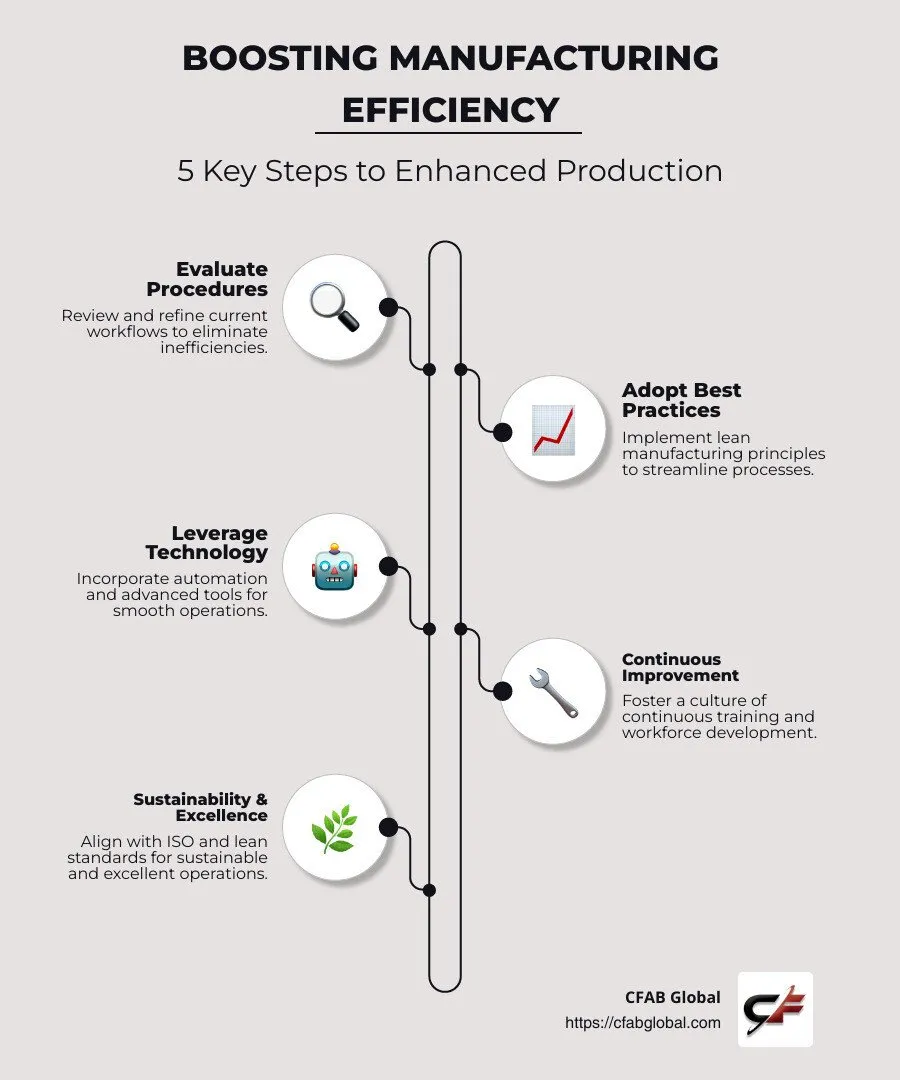
Welcome to the world of small manufacturing businesses, where efficiency and streamlined operations are key to success. In order to stay competitive in the market, it is crucial for these companies to implement the perfect ERP system that can help manage their resources, production, and finances effectively. By investing in the right ERP system, small manufacturing businesses can boost their efficiency and productivity, ultimately leading to growth and success in the industry.
Benefits of Implementing an ERP System for Small Manufacturing Businesses
Running a small manufacturing business can be a challenging task, with numerous moving parts to keep track of and manage efficiently. This is where implementing an Enterprise Resource Planning (ERP) system can truly make a difference. An ERP system is a software solution that integrates various aspects of a business, such as inventory management, production planning, customer relationship management, and finance, into one centralized platform. For small manufacturing businesses, the benefits of implementing an ERP system are numerous and can have a significant impact on the overall success and growth of the company.
One of the main benefits of implementing an ERP system for small manufacturing businesses is improved efficiency. With all the critical aspects of the business integrated into one system, employees can access real-time data and information, which streamlines processes and reduces the likelihood of errors. This improved efficiency can lead to cost savings and increased productivity, as employees spend less time on manual tasks and more time on value-added activities.
Another benefit of an ERP system is better inventory management. Small manufacturing businesses often struggle with maintaining optimal inventory levels, leading to stockouts or excess inventory. An ERP system can track inventory levels in real-time, forecast demand, and automate replenishment orders, helping businesses reduce carrying costs and prevent stockouts, ultimately improving customer satisfaction.
Furthermore, an ERP system can enhance decision-making for small manufacturing businesses. By providing accurate and up-to-date data, such as sales trends, production costs, and customer preferences, business owners and managers can make more informed decisions that drive growth and profitability. For example, they can identify underperforming products, adjust production schedules, or target new markets based on data insights provided by the ERP system.
Additionally, implementing an ERP system can improve customer satisfaction and relationships. By streamlining order processing, delivery schedules, and communication with customers, small manufacturing businesses can provide a higher level of service and responsiveness, leading to increased customer loyalty and retention. This can result in repeat business and referrals, which are crucial for the long-term success of any manufacturing business.
Lastly, an ERP system can help small manufacturing businesses stay competitive in the market. With increased efficiency, improved inventory management, better decision-making capabilities, and enhanced customer relationships, businesses can respond quickly to market changes, reduce operating costs, and adapt to customer demands. This agility and flexibility are critical for small manufacturing businesses to stay ahead of the competition and thrive in a dynamic business environment.
In conclusion, the benefits of implementing an ERP system for small manufacturing businesses are undeniable. From improved efficiency and inventory management to enhanced decision-making and customer relationships, an ERP system can significantly impact the success and growth of a small manufacturing business. By investing in an ERP system, small manufacturers can position themselves for long-term success and sustainability in a competitive market.
Key Features to Look for in an ERP System for Small Manufacturing Companies
When it comes to selecting an ERP system for a small manufacturing company, there are several key features that you should look for to ensure that the software meets your specific needs. While every company is different, there are certain features that are essential for small manufacturers to operate efficiently and effectively.
One of the most important features to look for in an ERP system for small manufacturing companies is inventory management. Small manufacturers often have limited resources and space, so it’s crucial to have an ERP system that can help you manage your inventory effectively. The software should provide real-time visibility into your inventory levels, track sales and purchases, and help you optimize your inventory to reduce costs and improve efficiency.
In addition to inventory management, small manufacturers should also look for an ERP system that includes production planning and scheduling tools. These features can help you plan and manage your production process more effectively, streamline workflows, and optimize resource utilization. With production planning and scheduling tools, you can track work orders, monitor production progress, and ensure that orders are completed on time and within budget.
Another key feature to look for in an ERP system for small manufacturing companies is quality control and compliance management. Small manufacturers need to ensure that their products meet industry standards and regulatory requirements, so it’s important to have a system that can help you monitor quality control, track compliance, and manage inspections and audits. The software should provide tools for recording and analyzing quality data, tracking non-conformances, and generating reports to help you improve quality and compliance processes.
Additionally, small manufacturers should consider scalability and flexibility when choosing an ERP system. As your business grows, you need a system that can scale with you and adapt to your changing needs. Look for a system that offers customizable features, modular design, and integration capabilities so you can easily add new functionalities or modules as your business expands.
Lastly, small manufacturers should look for an ERP system that offers robust reporting and analytics capabilities. Whether you need to monitor sales performance, analyze production costs, or track inventory turnover, the software should provide advanced reporting tools and dashboards that allow you to gain insights into your business operations and make data-driven decisions.
Overall, the key features to look for in an ERP system for small manufacturing companies include inventory management, production planning and scheduling, quality control and compliance management, scalability and flexibility, and reporting and analytics capabilities. By choosing a system that meets these criteria, small manufacturers can streamline their operations, improve efficiency, and drive business growth.
Cost-Effective ERP Solutions for Small Manufacturing Operations
Small manufacturing operations often face budget constraints when it comes to implementing an ERP system. However, there are cost-effective solutions available that cater to the specific needs of small businesses in the manufacturing industry. These solutions can help streamline processes, improve efficiency, and ultimately increase profitability.
One cost-effective ERP solution for small manufacturing operations is cloud-based ERP software. Cloud-based ERP systems are hosted on remote servers, which means that small businesses don’t have to invest in expensive hardware or IT infrastructure. This can significantly reduce upfront costs and make ERP systems more accessible to small manufacturers.
Another cost-effective ERP solution for small manufacturing operations is open-source ERP software. Open-source ERP systems are free to download and use, which can be a huge cost-saving advantage for small businesses with limited budgets. While open-source ERP software may require some customization and ongoing maintenance, the overall cost of implementation is typically lower than proprietary ERP systems.
Furthermore, some ERP vendors offer modular ERP solutions that allow small manufacturers to only pay for the features and functionalities they need. This means that small businesses can start with a basic ERP system and add on additional modules as their business grows. By only paying for what they use, small manufacturers can avoid overspending on unnecessary features and functionalities.
Additionally, some ERP vendors offer subscription-based pricing models, which can be more affordable for small businesses than traditional licensing models. With a subscription-based ERP system, small manufacturers can pay a monthly or annual fee to access the software, which can help spread out the cost of implementation over time.
Overall, cost-effective ERP solutions for small manufacturing operations can help small businesses leverage the benefits of an ERP system without breaking the bank. By opting for cloud-based, open-source, modular, or subscription-based ERP software, small manufacturers can improve their operational efficiency, streamline processes, and stay competitive in the ever-evolving manufacturing industry.
Case Studies: Small Manufacturing Companies Successfully Implementing ERP Systems
ERP systems have become an essential tool for small manufacturing companies looking to streamline their operations, improve efficiency, and stay competitive in the market. While the idea of implementing an ERP system may seem daunting for small businesses with limited resources, there are several success stories of companies that have successfully integrated ERP systems into their operations.
One such case study is that of a small metal fabrication company that was struggling to keep up with increasing demand and facing challenges with inventory management. After implementing an ERP system tailored to their business needs, the company saw a significant improvement in their production processes. The system helped them track inventory levels more effectively, manage production schedules, and streamline communication between different departments. As a result, the company was able to increase their production efficiency and reduce costs, ultimately leading to higher profits.
Another example is a small electronics manufacturing company that was facing issues with quality control and on-time delivery. By implementing an ERP system that included quality management modules, the company was able to track and analyze quality metrics in real-time. This allowed them to identify and address quality issues quickly, leading to a significant improvement in the overall quality of their products. Additionally, the system helped them optimize their production schedules, leading to a decrease in lead times and improved on-time delivery performance.
One more case study involves a small textile manufacturing company that was struggling to keep up with changing customer demands and facing challenges with managing a complex supply chain. After implementing an ERP system with advanced supply chain management features, the company was able to gain better visibility into their supply chain processes. This helped them optimize inventory levels, collaborate more effectively with suppliers, and respond quickly to changes in demand. As a result, the company was able to improve customer satisfaction levels and maintain a competitive edge in the market.
Overall, these case studies demonstrate the positive impact that ERP systems can have on small manufacturing companies. By choosing an ERP system that aligns with their specific business needs and investing in proper training for employees, small businesses can successfully implement ERP systems and reap the benefits of improved efficiency, cost savings, and increased competitiveness in the market.
Tips for Choosing the Right ERP System for Your Small Manufacturing Business
Choosing the right ERP system for your small manufacturing business can be a daunting task. With so many options available in the market, it can be difficult to determine which one will best meet your company’s needs. Here are some tips to help you make the right decision:
1. Identify Your Business Needs: Before you start looking at ERP systems, it’s important to have a clear understanding of your business needs. What are the key processes that you need the ERP system to support? Are there any specific industry requirements that you need to consider? By identifying your business needs upfront, you can narrow down your options and focus on systems that are best suited to your requirements.
2. Consider Scalability: As a small manufacturing business, you may be looking to grow in the future. It’s important to choose an ERP system that can easily scale with your business. Make sure to consider the system’s ability to handle increased data volume, users, and processes as your business expands.
3. Evaluate Ease of Use: Implementing a new ERP system can be a complex process, so it’s important to choose a system that is easy to use. Look for an intuitive user interface and features that streamline processes and increase productivity. Consider the level of training and support that is available to ensure a smooth implementation process.
4. Budget Considerations: Cost is always an important factor when choosing an ERP system for your small manufacturing business. Consider not only the upfront costs of purchasing the system but also ongoing maintenance, support, and training expenses. Make sure to have a clear understanding of the total cost of ownership before making a decision.
5. Integration Capabilities: One of the key factors to consider when choosing an ERP system for your small manufacturing business is its integration capabilities. The system should be able to seamlessly integrate with other software applications that you use, such as accounting software, CRM systems, and production planning tools. This will help streamline processes and ensure that all aspects of your business are connected.
When evaluating ERP systems, be sure to ask vendors about their integration capabilities and the ease of integrating the system with your existing software applications. Consider conducting a compatibility test to ensure that the system will work well with your current technology stack. By choosing an ERP system with strong integration capabilities, you can ensure that your business processes are streamlined and efficient.
Originally posted 2025-08-26 18:00:00.