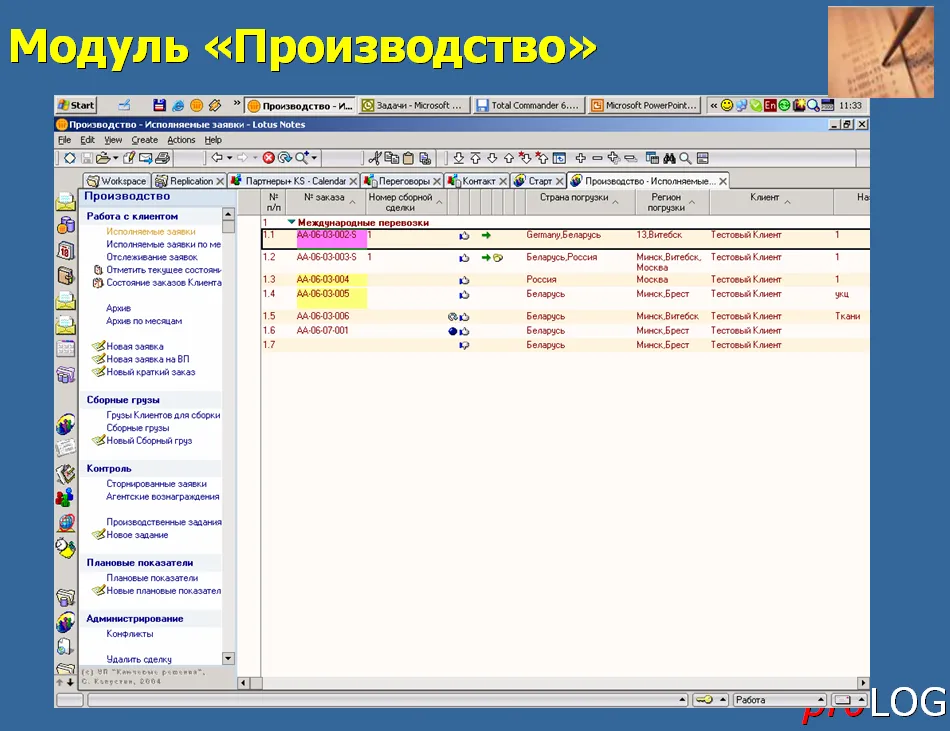
Welcome to our article on the benefits of using Prolog ERP software! If you are searching for a comprehensive solution to manage your business operations efficiently, then Prolog ERP software may be the perfect fit for you. This software offers a wide range of features and tools that can streamline your processes, increase productivity, and improve overall business performance. From inventory management to financial reporting, Prolog ERP software can help your business thrive in today’s competitive market.
Introduction to Prolog ERP
Prolog ERP is a comprehensive Enterprise Resource Planning (ERP) software solution designed to streamline business processes and improve efficiency. From managing financials to inventory control, Prolog ERP offers a wide range of modules to meet the diverse needs of businesses in various industries.
With Prolog ERP, businesses can automate their operations and reduce manual tasks, leading to increased productivity and cost savings. The software integrates various functions such as accounting, human resources, supply chain management, and customer relationship management into a centralized platform, allowing for seamless communication and data sharing across departments.
One of the key features of Prolog ERP is its customizable nature, allowing businesses to tailor the software to their specific requirements. Whether it’s creating custom reports, adding new modules, or integrating third-party applications, Prolog ERP can be easily tailored to meet the unique needs of each business.
Prolog ERP also offers real-time insights and analytics tools to help businesses make informed decisions. With access to accurate and up-to-date data, businesses can identify trends, track performance, and forecast future outcomes, enabling them to stay ahead of the competition.
Furthermore, Prolog ERP is scalable, making it suitable for businesses of all sizes. Whether you are a small startup or a large enterprise, Prolog ERP can grow with your business and adapt to your changing needs. This scalability ensures that businesses can continue to benefit from Prolog ERP as they expand and evolve.
In conclusion, Prolog ERP is a powerful and flexible ERP solution that can help businesses optimize their processes, improve efficiency, and drive growth. With its customizable features, real-time insights, and scalability, Prolog ERP is an invaluable tool for businesses looking to stay competitive in today’s fast-paced business landscape.
Key features of Prolog ERP
Prolog ERP is a comprehensive enterprise resource planning solution designed to streamline and optimize business processes across various departments within an organization. Some key features of Prolog ERP include:
1. Inventory Management: Prolog ERP offers advanced inventory management capabilities that allow businesses to accurately track and manage their stock levels in real-time. With features such as automated inventory tracking, reorder point monitoring, and vendor management, Prolog ERP helps businesses minimize stockouts, reduce excess inventory, and optimize their purchasing processes.
2. Sales and Customer Relationship Management: One of the standout features of Prolog ERP is its robust sales and customer relationship management functionality. The system enables businesses to track sales leads, manage customer accounts, and analyze customer data to identify trends and opportunities for growth. Additionally, Prolog ERP includes tools for creating and tracking sales orders, managing pricing and discounts, and generating sales reports to help businesses make informed decisions and drive revenue growth.
3. Financial Management: Prolog ERP provides comprehensive financial management capabilities, including general ledger, accounts payable, accounts receivable, and financial reporting functionalities. The system helps businesses automate financial processes, track expenses, reconcile accounts, and generate financial statements to ensure compliance with regulatory requirements and provide stakeholders with accurate and timely financial information.
4. Production and Manufacturing: Prolog ERP offers advanced production and manufacturing features that help businesses optimize their production processes, improve efficiency, and minimize production costs. The system allows businesses to create production schedules, track work orders, manage inventory levels, and monitor production performance to ensure timely delivery of products and maximize productivity.
5. Human Resources Management: Prolog ERP includes a comprehensive human resources management module that helps businesses manage their workforce effectively. The system enables businesses to track employee information, manage payroll, administer benefits, and track employee performance to ensure compliance with labor laws and regulations and improve employee productivity and satisfaction.
6. Business Intelligence and Reporting: Prolog ERP includes powerful business intelligence and reporting tools that enable businesses to analyze data, generate customizable reports, and gain valuable insights into their operations. The system allows businesses to track key performance indicators, monitor performance metrics, and identify areas for improvement to drive organizational success and achieve business goals.
Overall, Prolog ERP offers a wide range of features and capabilities designed to meet the diverse needs of modern businesses and help them achieve operational excellence, improve efficiency, and drive growth. By leveraging the power of Prolog ERP, businesses can streamline their processes, enhance visibility into their operations, and make data-driven decisions to stay ahead of the competition in today’s dynamic business environment.
Benefits of implementing Prolog ERP
Prolog ERP is a comprehensive enterprise resource planning system that offers a wide range of benefits to businesses that choose to implement it. From streamlining processes to increasing efficiency, Prolog ERP can help companies better manage their resources and improve their overall performance. Here are some of the key benefits of implementing Prolog ERP:
Increased Efficiency
One of the main benefits of implementing Prolog ERP is increased efficiency. By centralizing all of your business processes and data in one system, Prolog ERP helps eliminate redundant tasks and manual data entry. This means that employees no longer have to spend time entering the same information into multiple systems, reducing the risk of errors and saving time. With Prolog ERP, businesses can automate many of their processes, allowing employees to focus on more strategic tasks that drive growth and innovation.
Furthermore, Prolog ERP provides real-time visibility into key business metrics and performance indicators, enabling managers to make informed decisions quickly. By having access to up-to-date data and analytics, businesses can identify areas for improvement and take proactive steps to optimize their operations. This increased visibility also helps businesses better align their resources with their strategic goals, leading to improved overall performance.
Another key aspect of efficiency is the integration of Prolog ERP with other systems and applications. Prolog ERP seamlessly connects with a wide range of third-party software, allowing businesses to centralize their data and workflows in one system. This integration streamlines processes, reduces data silos, and improves communication across departments, leading to a more cohesive and efficient organization.
Ultimately, increased efficiency leads to cost savings and higher productivity. By automating processes, improving data accuracy, and streamlining workflows, Prolog ERP helps businesses reduce operational costs and eliminate waste. Employees can work more productively, leading to faster decision-making and improved customer satisfaction. Overall, implementing Prolog ERP can help businesses operate more efficiently and effectively, leading to greater success and growth in the long run.
Case studies of successful Prolog ERP implementations
Prolog ERP has been hailed as a game-changer for many businesses across various industries due to its ability to streamline processes and improve overall efficiency. Let’s take a closer look at some real-life examples of successful Prolog ERP implementations.
In the manufacturing industry, Company X was facing communication issues between different departments, leading to delays in production and a lack of visibility into inventory levels. After implementing Prolog ERP, they were able to integrate all departments seamlessly, leading to improved communication and better coordination. As a result, Company X saw a significant increase in productivity and a decrease in production costs.
Another success story comes from the retail sector, where Company Y was struggling with inventory management and supply chain issues. With the help of Prolog ERP, they were able to gain real-time visibility into inventory levels, track goods throughout the supply chain, and automate order processes. This led to a decrease in stock-outs, improved customer satisfaction, and ultimately increased revenue for Company Y.
For a global logistics company, implementing Prolog ERP was a game-changer in terms of streamlining operations and improving overall efficiency. By centralizing data, automating processes, and optimizing route planning, the company was able to reduce transportation costs, improve delivery times, and enhance customer satisfaction. The implementation of Prolog ERP also allowed the company to scale their operations and handle a higher volume of shipments without compromising on quality or service.
Lastly, in the healthcare industry, a hospital was struggling with managing patient records, scheduling appointments, and tracking medical supplies. With the implementation of Prolog ERP, the hospital was able to digitize patient records, automate appointment scheduling, and optimize inventory management. This not only improved patient care and satisfaction but also allowed the hospital to operate more efficiently and reduce costs.
These case studies highlight the versatility and effectiveness of Prolog ERP in addressing a wide range of business challenges and driving success across different industries. By centralizing data, automating processes, and providing real-time visibility into operations, Prolog ERP has proven to be a valuable tool for businesses looking to improve efficiency, reduce costs, and enhance customer satisfaction.
Future trends in Prolog ERP technology
As technology continues to advance at a rapid pace, the future of Prolog ERP looks promising with several key trends emerging. One of the major trends in Prolog ERP technology is the integration of artificial intelligence (AI) and machine learning. AI and machine learning algorithms are being incorporated into Prolog ERP systems to improve data analysis, automate routine tasks, and provide more accurate insights for decision-making. This integration allows Prolog ERP systems to adapt and learn from data patterns, ultimately enhancing efficiency and productivity.
Another trend in Prolog ERP technology is the increasing focus on cloud-based solutions. Cloud-based Prolog ERP systems offer greater flexibility, scalability, and accessibility compared to traditional on-premise solutions. Businesses are increasingly turning to cloud-based Prolog ERP systems to streamline operations, reduce costs, and improve collaboration across different departments and locations. The shift towards cloud-based Prolog ERP solutions is expected to continue as more companies recognize the benefits of cloud computing.
Mobile integration is also becoming a key trend in Prolog ERP technology. With the rise of remote work and the increasing reliance on mobile devices, Prolog ERP vendors are developing mobile-friendly applications that allow users to access and manage ERP data on the go. Mobile integration enables employees to stay connected and productive from anywhere, improving efficiency and communication within the organization.
Blockchain technology is another emerging trend in Prolog ERP technology. Blockchain has the potential to revolutionize the way data is stored, secured, and shared within Prolog ERP systems. By utilizing blockchain technology, Prolog ERP systems can enhance data integrity, transparency, and security, reducing the risk of data breaches and ensuring the trustworthiness of information. As blockchain adoption continues to grow, we can expect to see more Prolog ERP vendors integrating this technology into their offerings.
Lastly, the trend towards personalized user experiences is shaping the future of Prolog ERP technology. Vendors are focusing on developing user-friendly interfaces, customizable dashboards, and predictive analytics tools to provide a tailored experience for each user. Personalization allows users to access relevant information quickly, make informed decisions, and stay productive. By incorporating user-centric design principles, Prolog ERP vendors are enhancing user satisfaction and driving greater adoption of ERP systems.
Originally posted 2025-08-27 10:00:00.